
Representing Yourself in Texas Probate (“Pro Se”): Why It Usually Breaks Down When a House Is Involved
Many families assume probate is mostly paperwork until a house is involved. This post explains why self-representation in Texas probate usually breaks down at that point, where executors get hurt, and what a smarter sequence looks like.
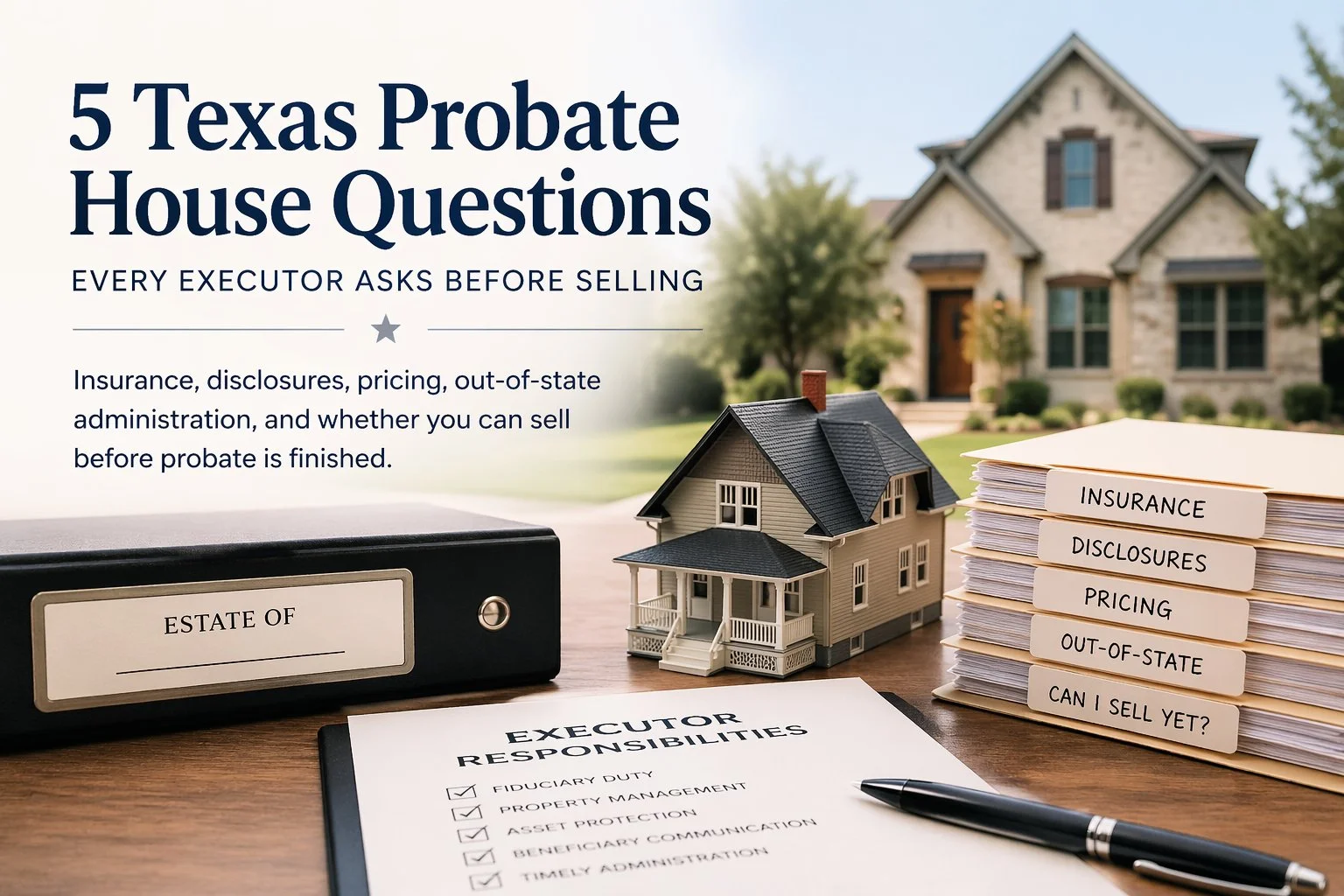
5 Texas Probate House Questions Every Executor Asks Before Selling
After my first probate post, the follow-up questions came fast. Most were not about legal theory. They were about the house itself: insurance, disclosures, pricing, distance, and whether the executor actually has authority to sell. This post addresses the five issues that most often create stress, delay, and avoidable mistakes.
Can an Executor Sell a House in Texas? The Real Problems Start After the Funeral
Selling a deceased owner’s home in Texas is rarely a simple listing. Executors face legal authority issues, vacancy risk, family conflict, tax questions, and disclosure concerns.
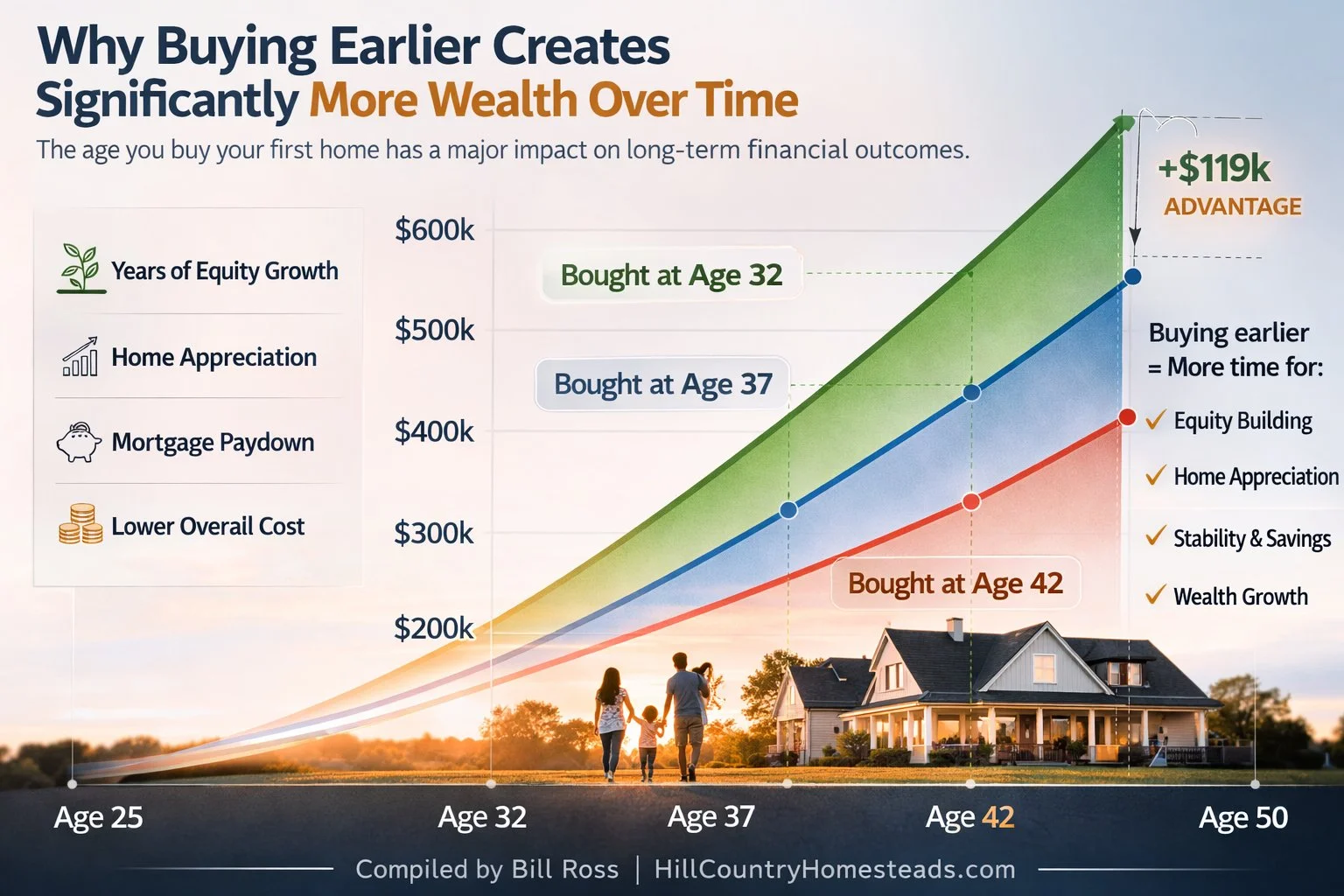
The Hardest Part of Homeownership Today Is Not the Mortgage. It Is Getting Through the Front Door.
Homeownership remains one of the most powerful wealth-building tools available. This article explains why buying earlier matters, how long-term housing appreciation works, and how first-time buyers can use family help and down payment assistance programs to enter the market sooner.
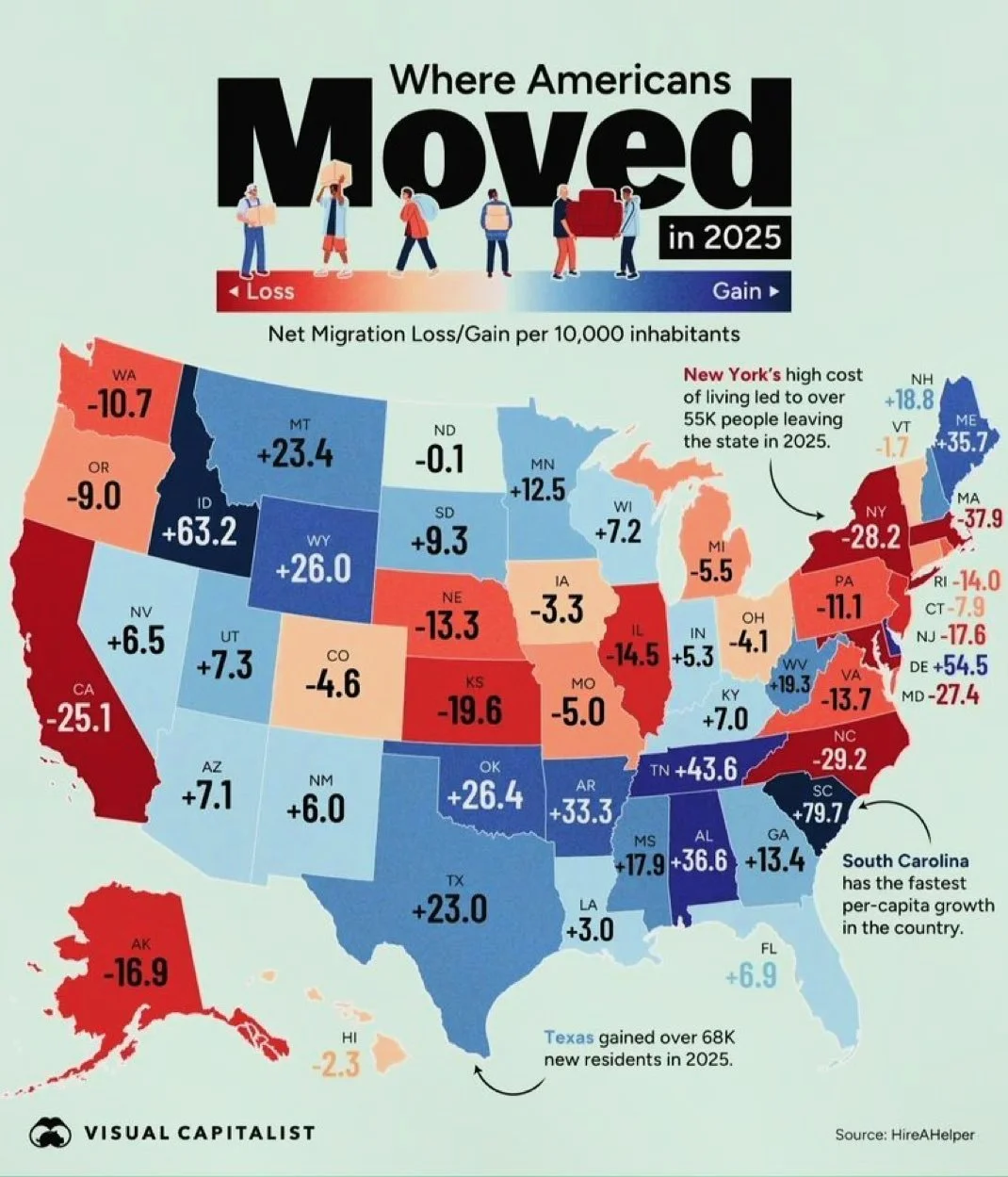
Why America Still Chooses Texas: What the 2025 Migration Map Really Tells Us
The 2025 migration map tells a bigger story than simple population shifts. Americans are leaving high-cost, heavily taxed, and increasingly unworkable states for places that offer affordability, opportunity, and stability. Texas remains one of the clearest winners.
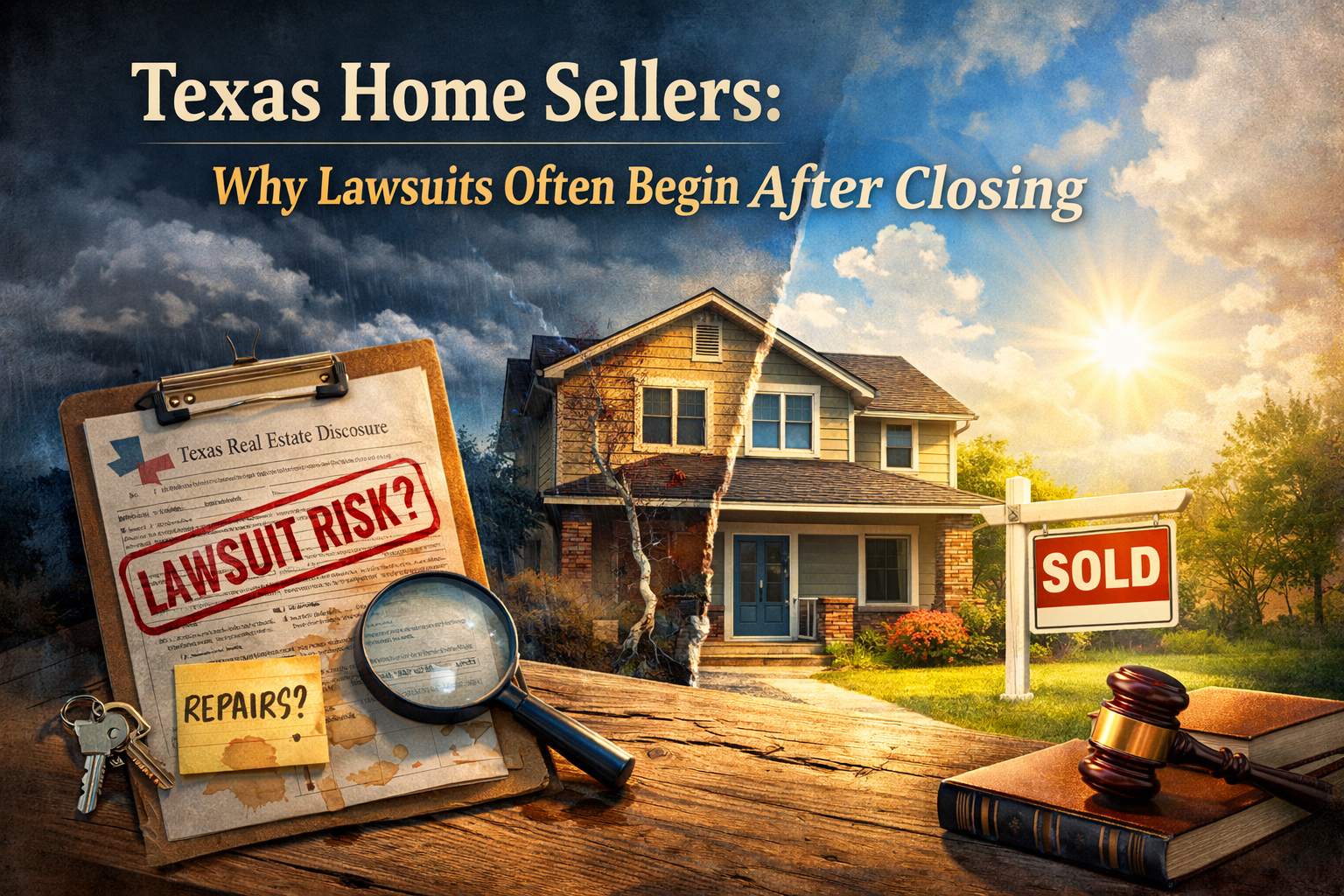
Texas Home Sellers: Why “After Closing” Is When Lawsuits Actually Begin
Closing isn’t always the end. Texas buyers can sue sellers after closing for nondisclosure, misrepresentation, and repair disputes. Here’s what sellers should understand.